Bulleit Bourbon Guide: Grains, 90 Proof and Bourbon vs Rye
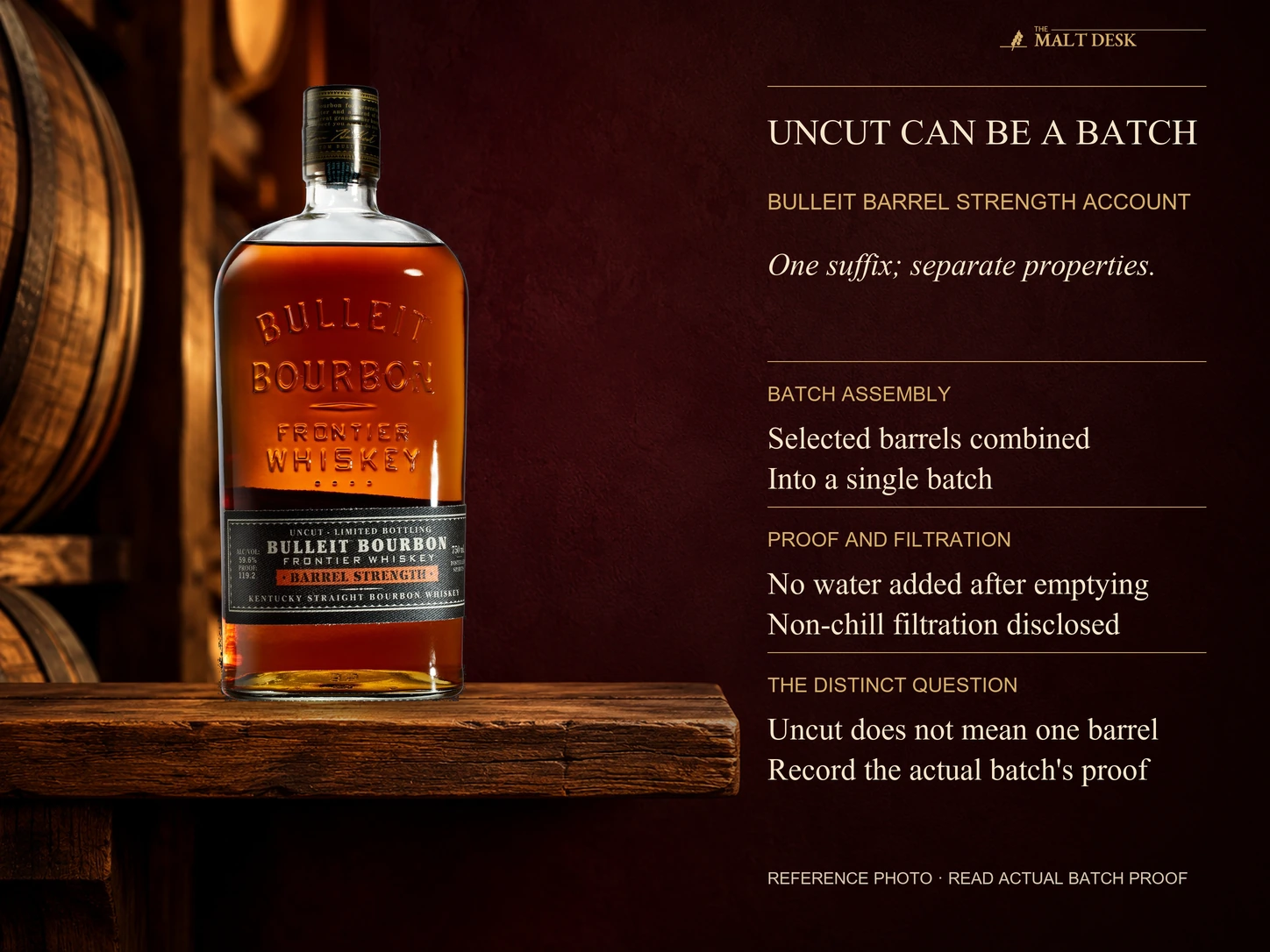
Read Bulleit Bourbon’s grain and proof disclosures without confusing them with Bulleit 95 Rye or a price-based flavor ranking.
Explore individual whiskies through their production, age statements, cask types and bottling strength. These profiles explain label terms and distinguish producer-described aromas from measurable product specifications. Browse Scotch, bourbon, Irish, Japanese and Tennessee whiskey using the categories below, then follow related comparisons to understand how styles differ.
Read Bulleit Bourbon’s grain and proof disclosures without confusing them with Bulleit 95 Rye or a price-based flavor ranking.
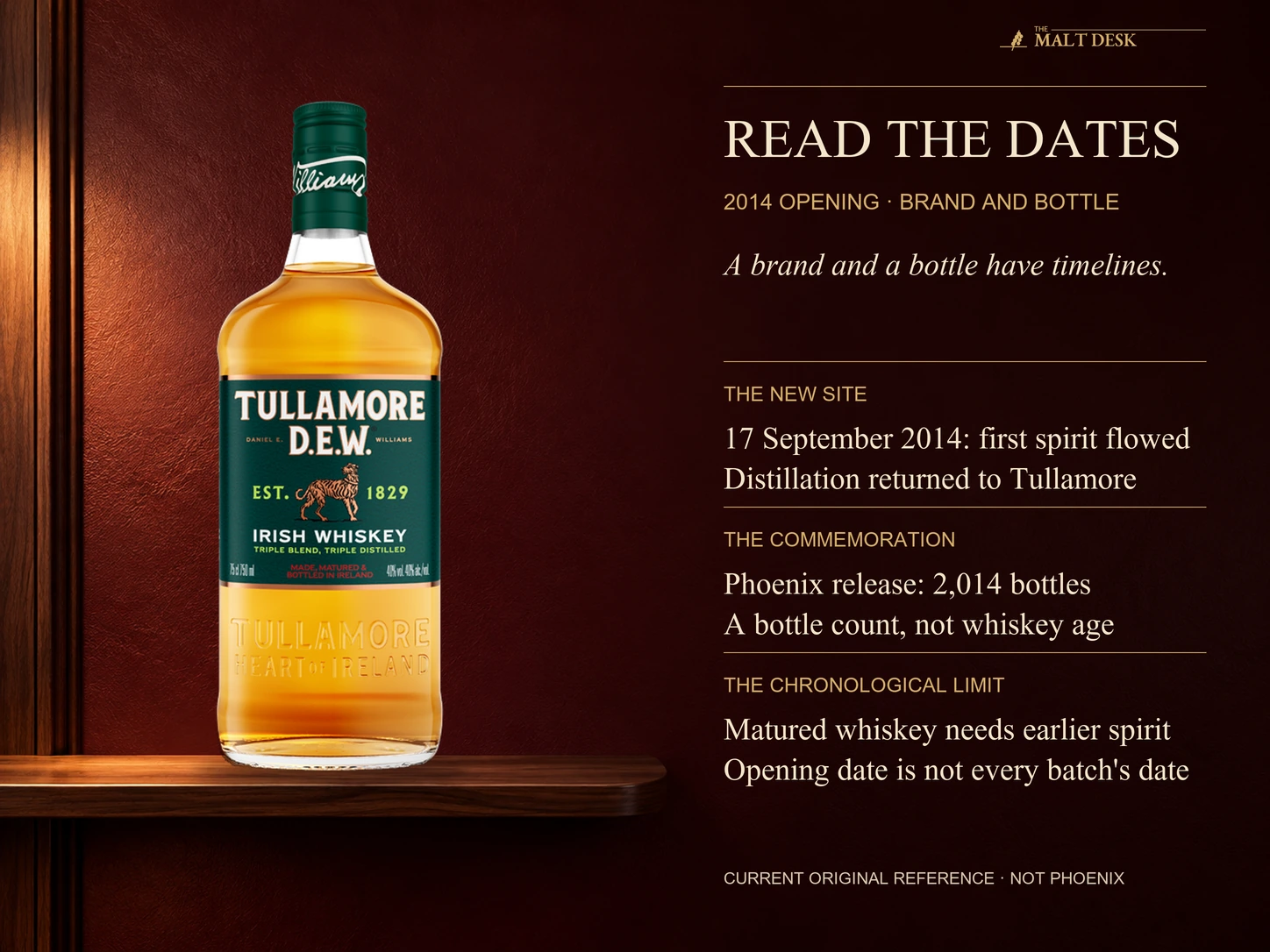
Explain Tullamore D.E.W. Original’s triple-production wording and keep the standard expression separate in local bottle comparisons.
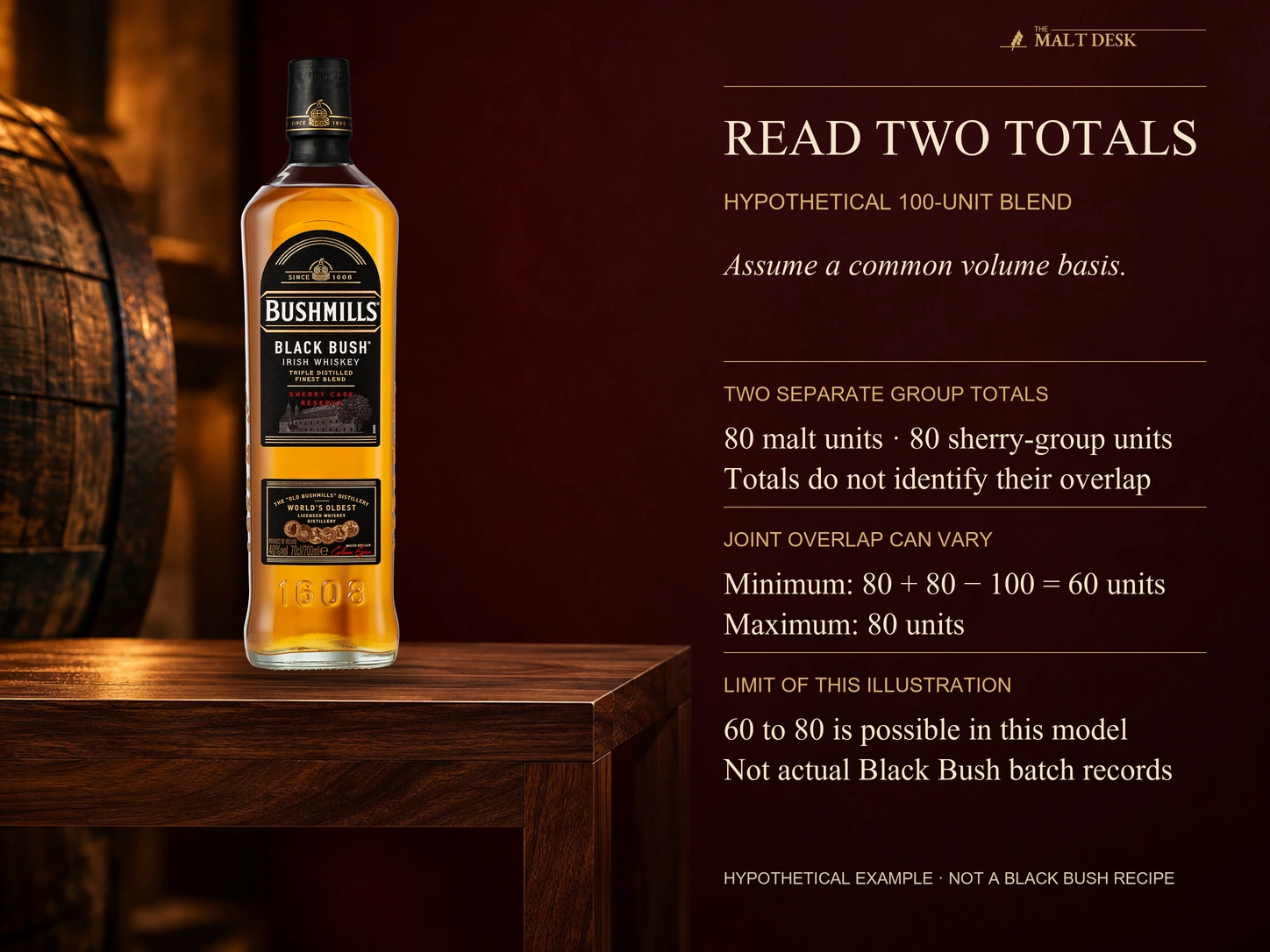
Decode Black Bush’s malt-and-grain blend and Oloroso/bourbon cask history without inventing age, malt percentage or retail ranges.
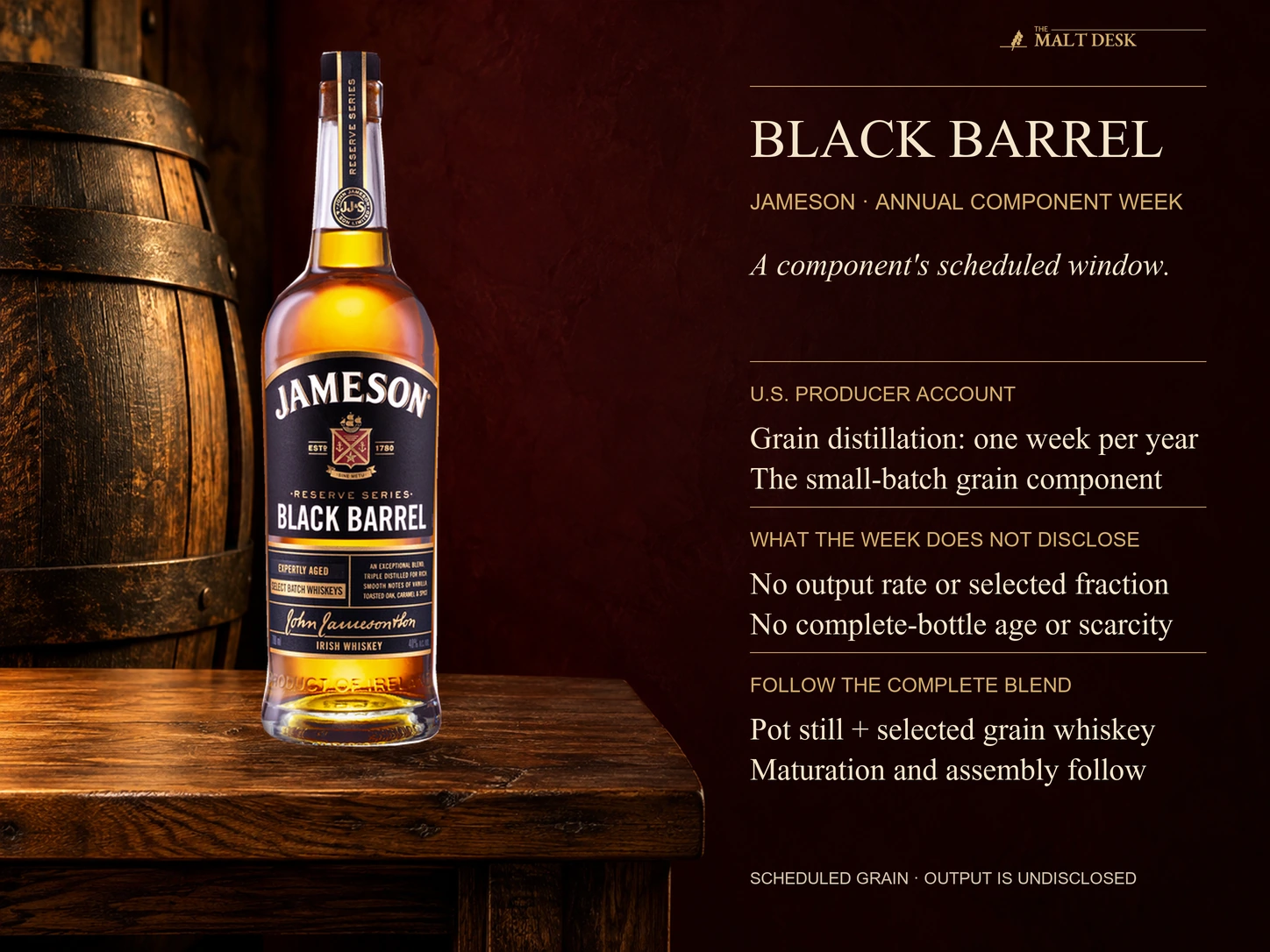
Distinguish Jameson Black Barrel from Black Barrel Proof and separate production descriptions from exact local offer records.
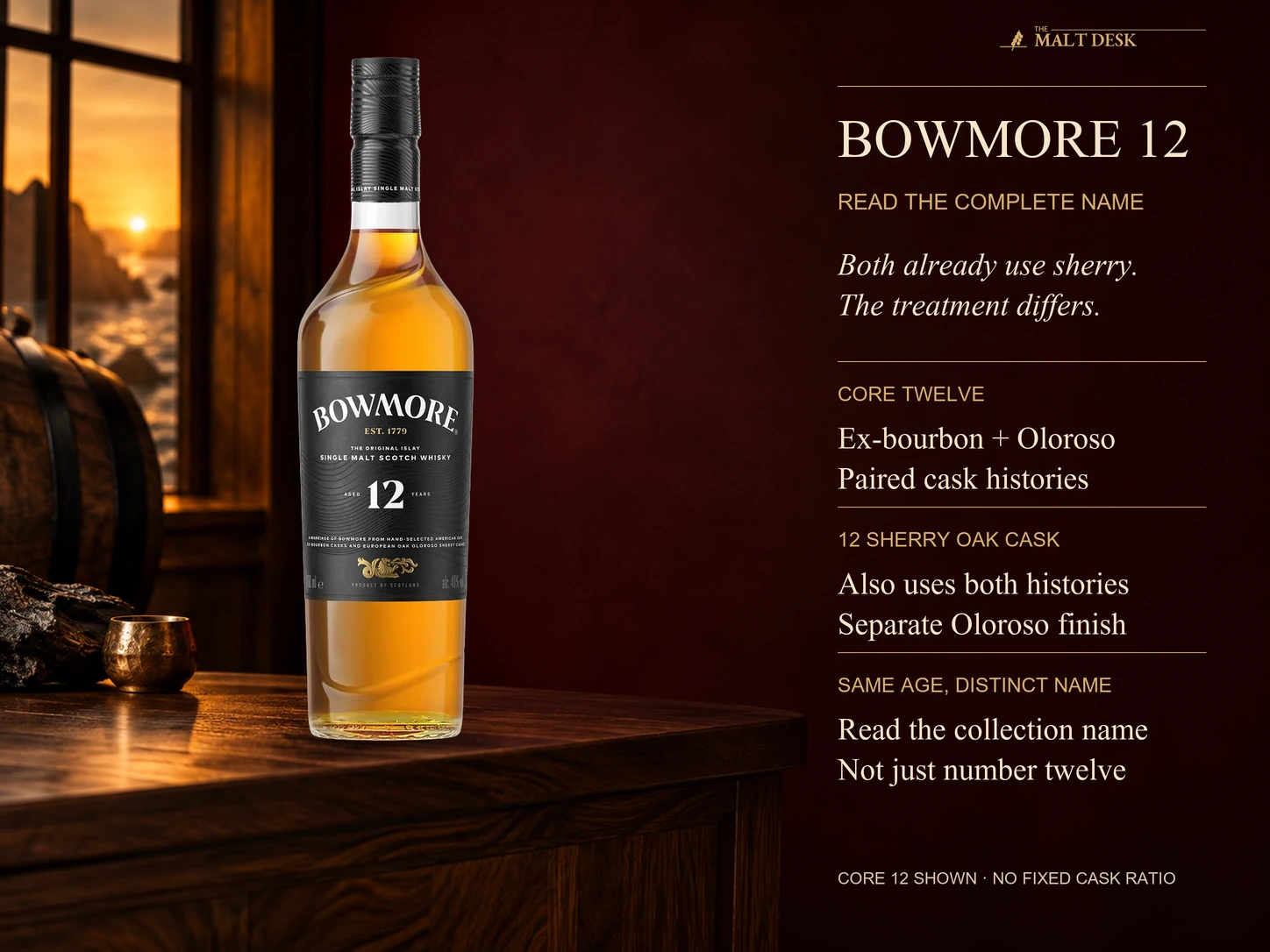
Understand Bowmore 12’s label and producer descriptions, keeping other expressions and market presentations separate in quotes.
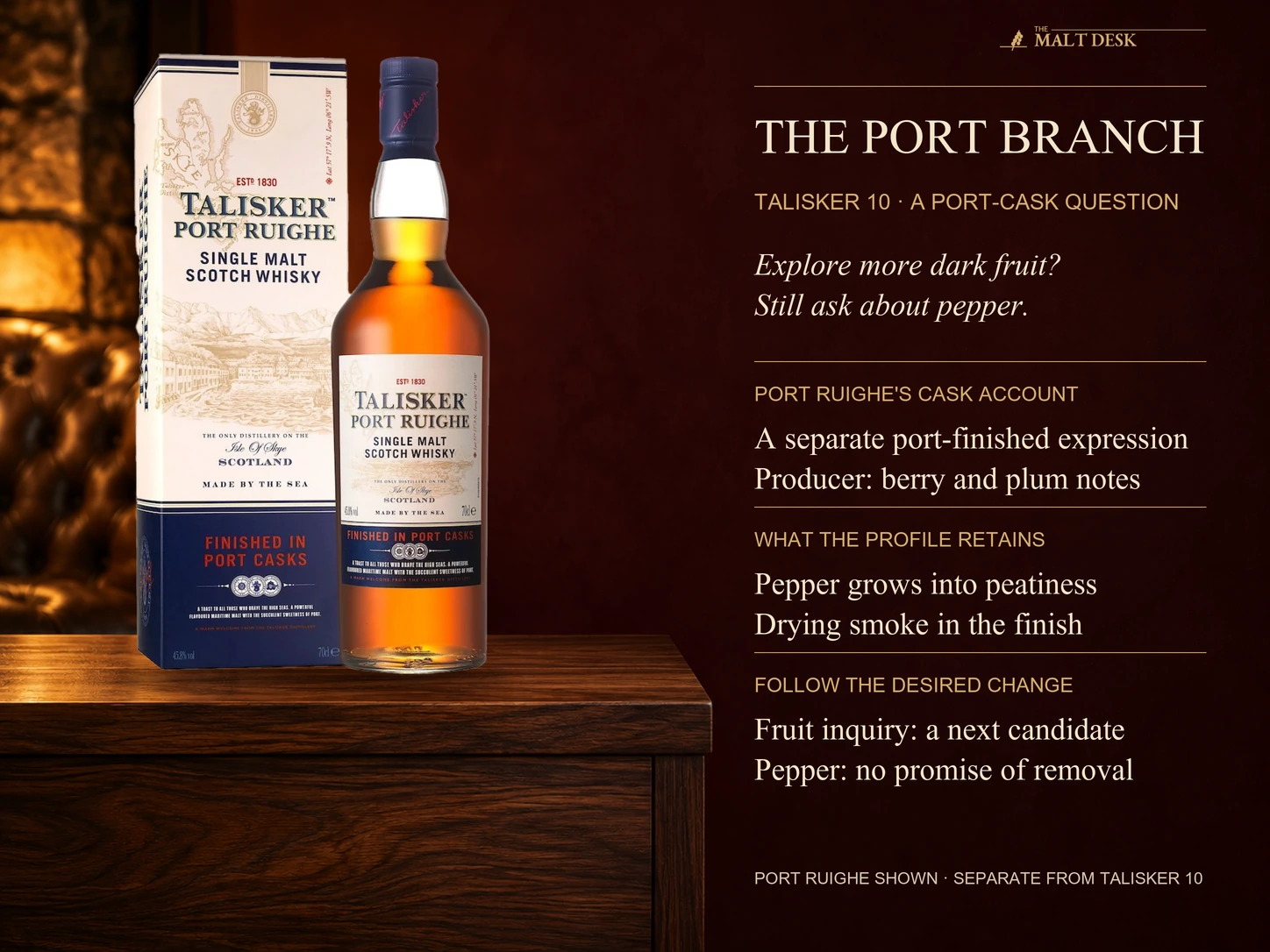
Read Talisker 10’s age, reference strength and producer notes, then match the actual market bottle in a dated local comparison.
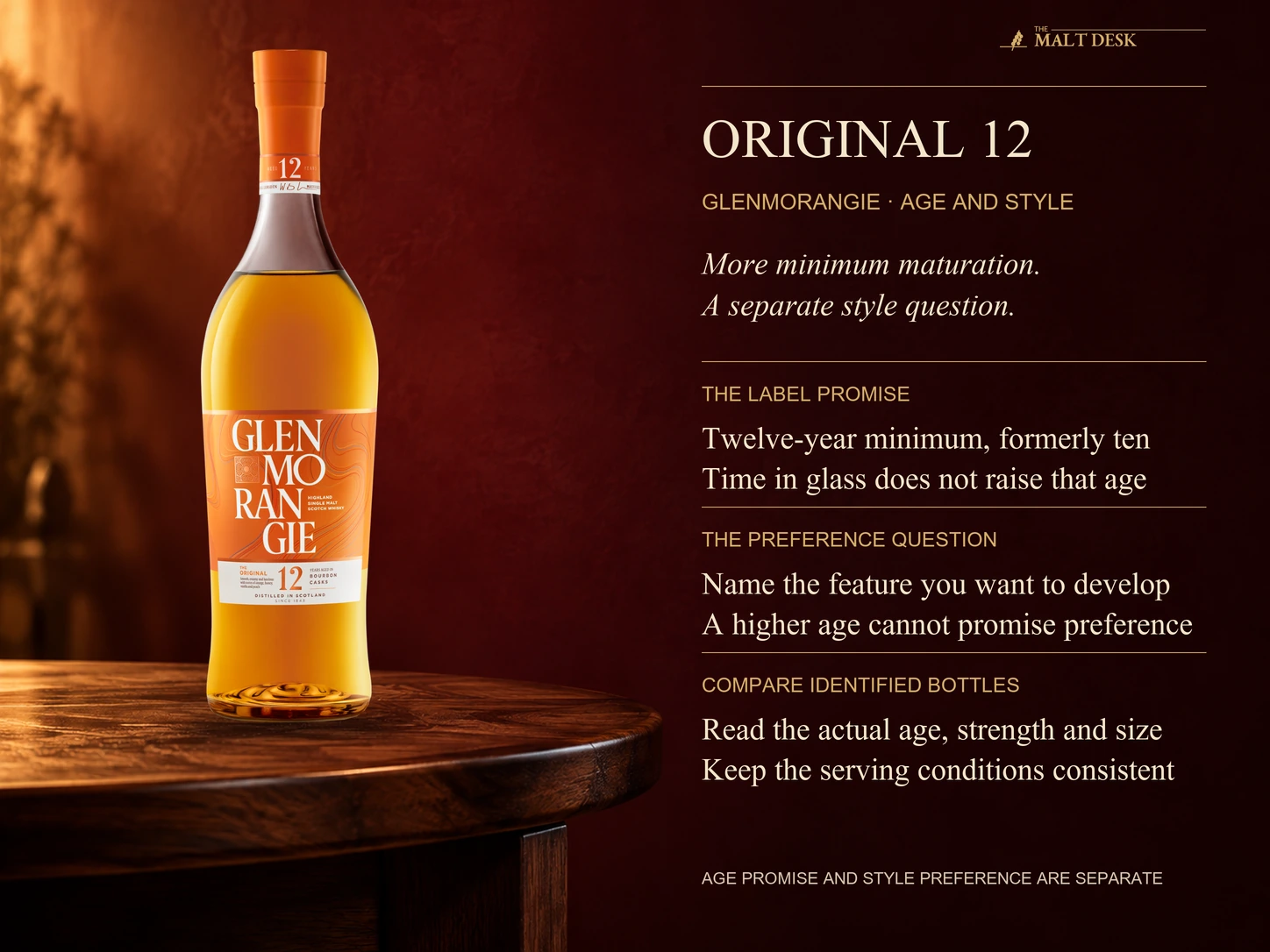
Distinguish Glenmorangie The Original 12 from the earlier 10-year expression and compare actual bottle volumes and local totals.
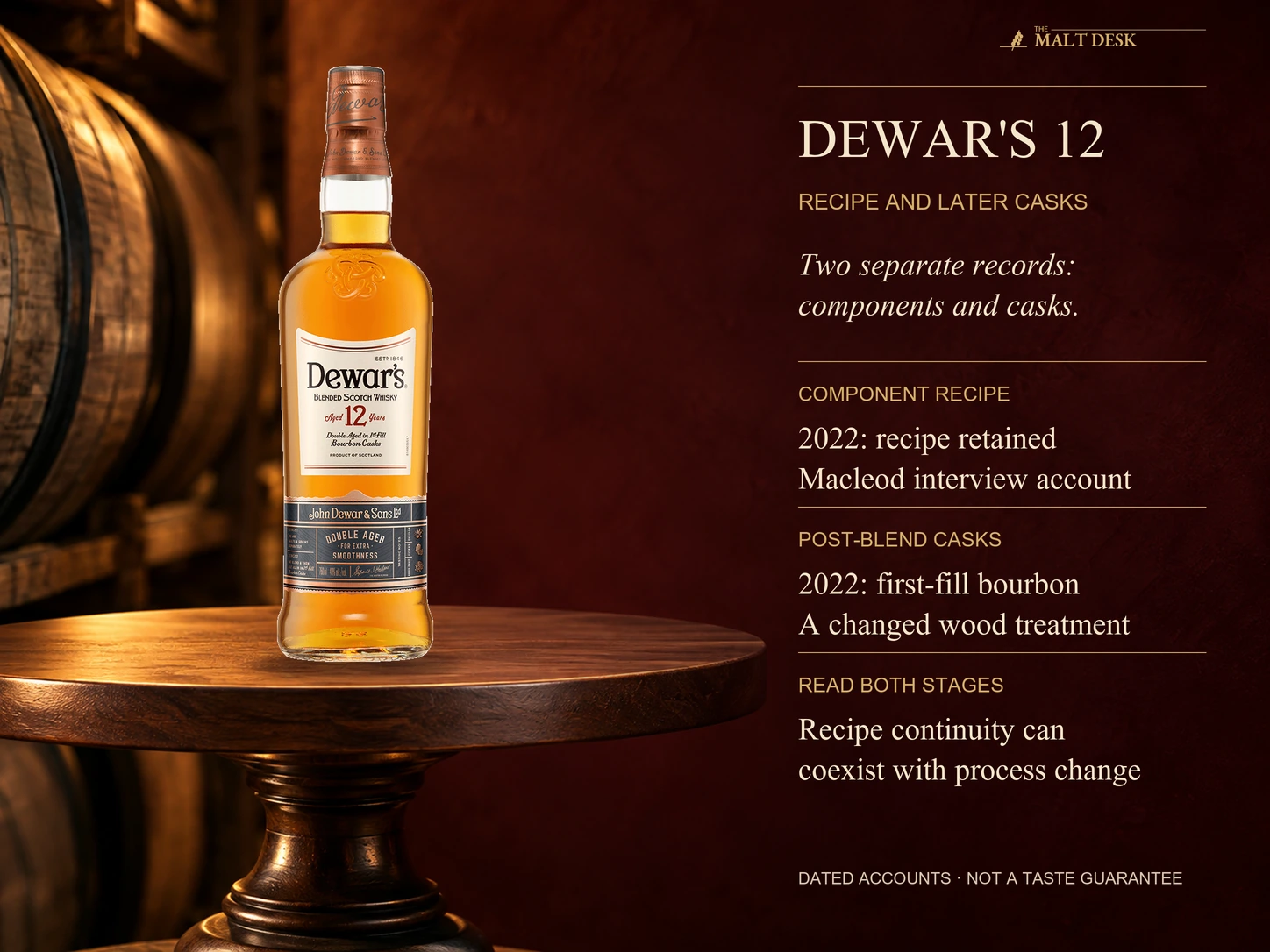
Separate Dewar’s 12-year minimum age, two-stage aging and first-fill bourbon-cask finish, with current producer notes and price comparison checks.
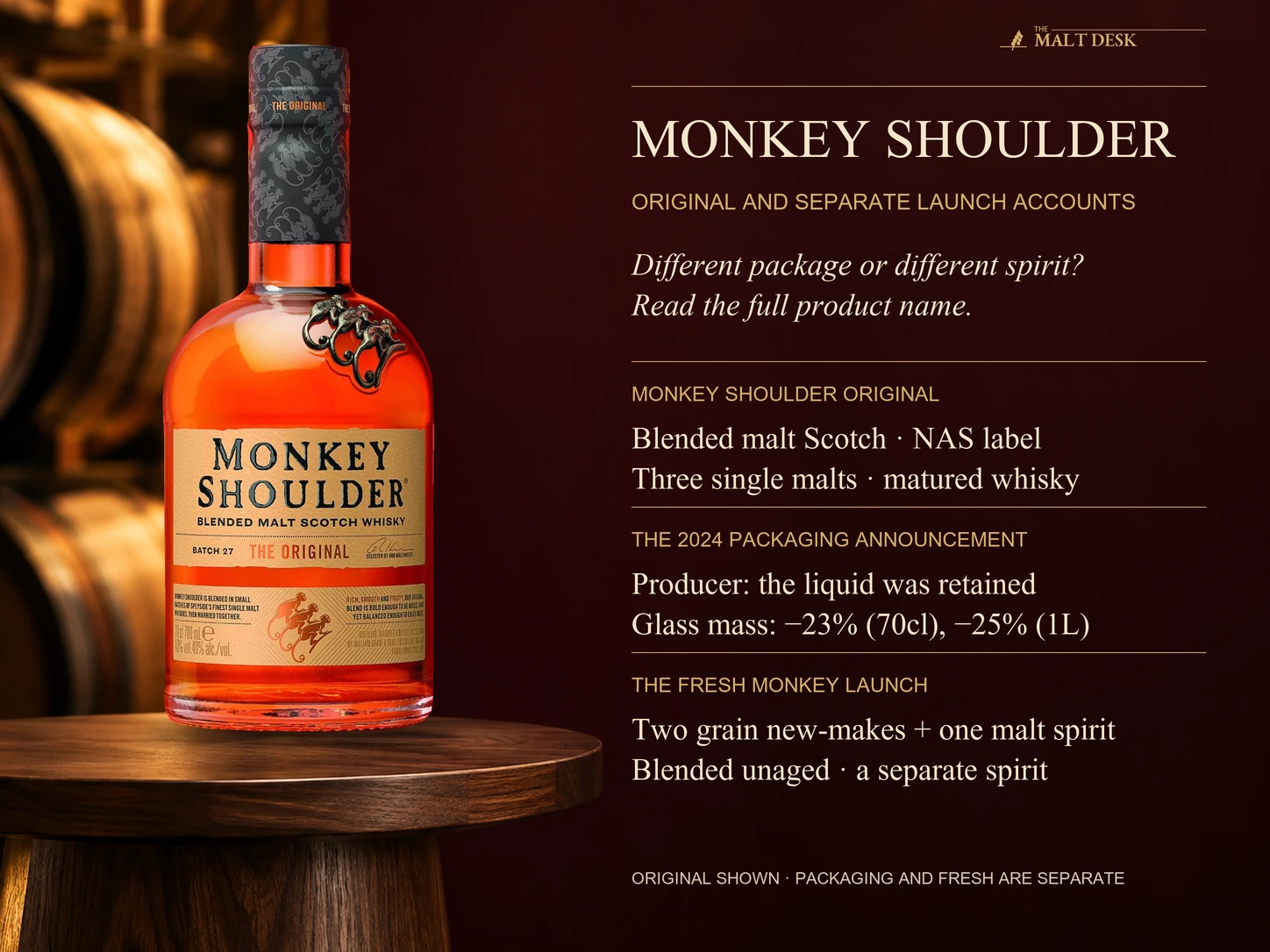
Explain Monkey Shoulder’s blended-malt category and published product account, with exact-expression checks for local quotes.
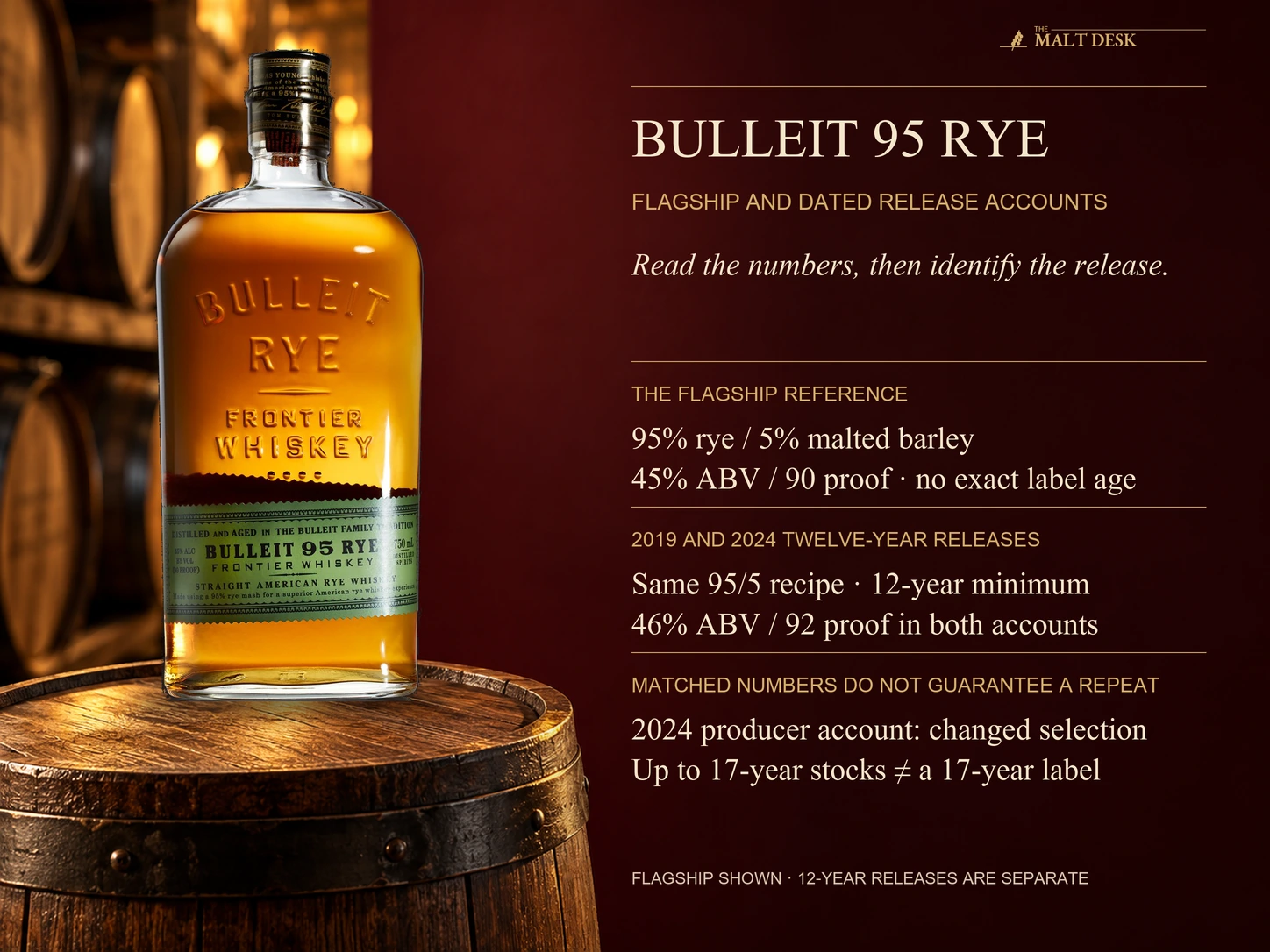
Separate Bulleit 95 Rye’s grain percentage, 90 proof and standard expression from Rye 10 Year Old and exact local offer records.