Hibiki Harmony vs Suntory Toki: Blend, Flavor Notes and Price Context
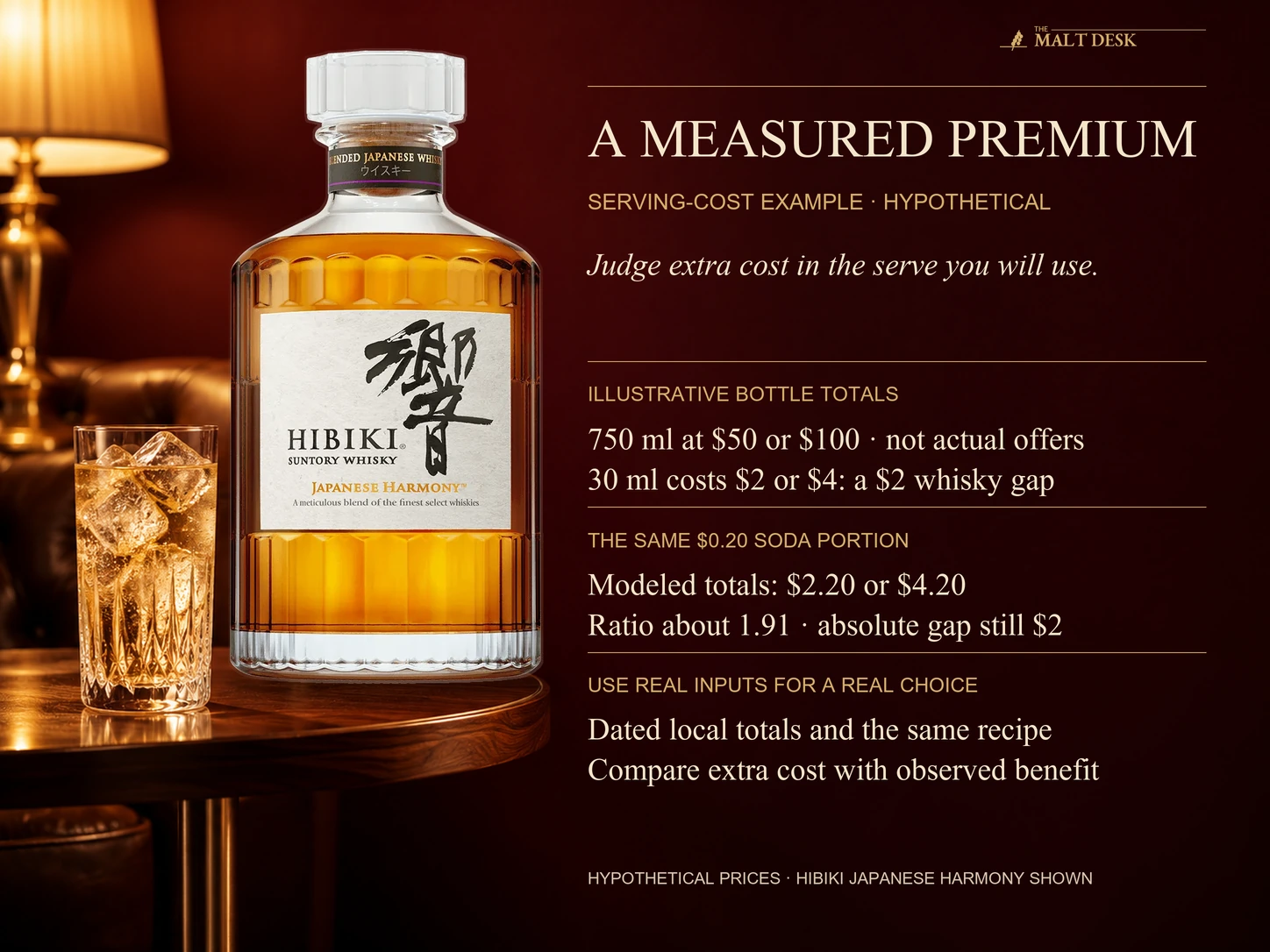
Compare Hibiki Japanese Harmony and Toki by disclosed blend information, 43% reference strength, producer descriptions and exact-expression local offer checks.
Compare Hibiki Japanese Harmony and Toki by disclosed blend information, 43% reference strength, producer descriptions and exact-expression local offer checks.
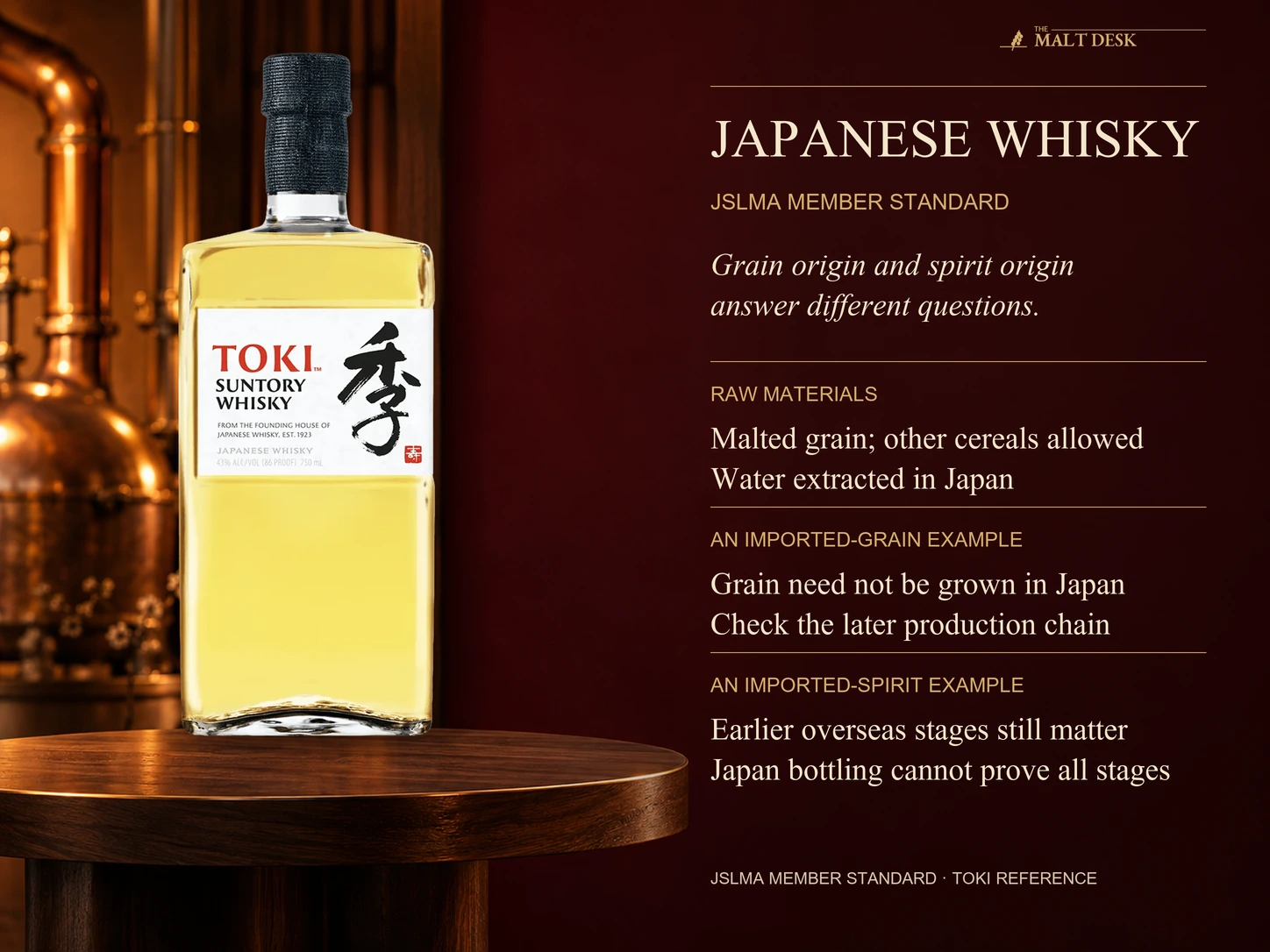
Trace Japanese whisky under the JSLMA member standard, from water and production to maturation and bottling, using Nikka’s disclosed product-status examples.
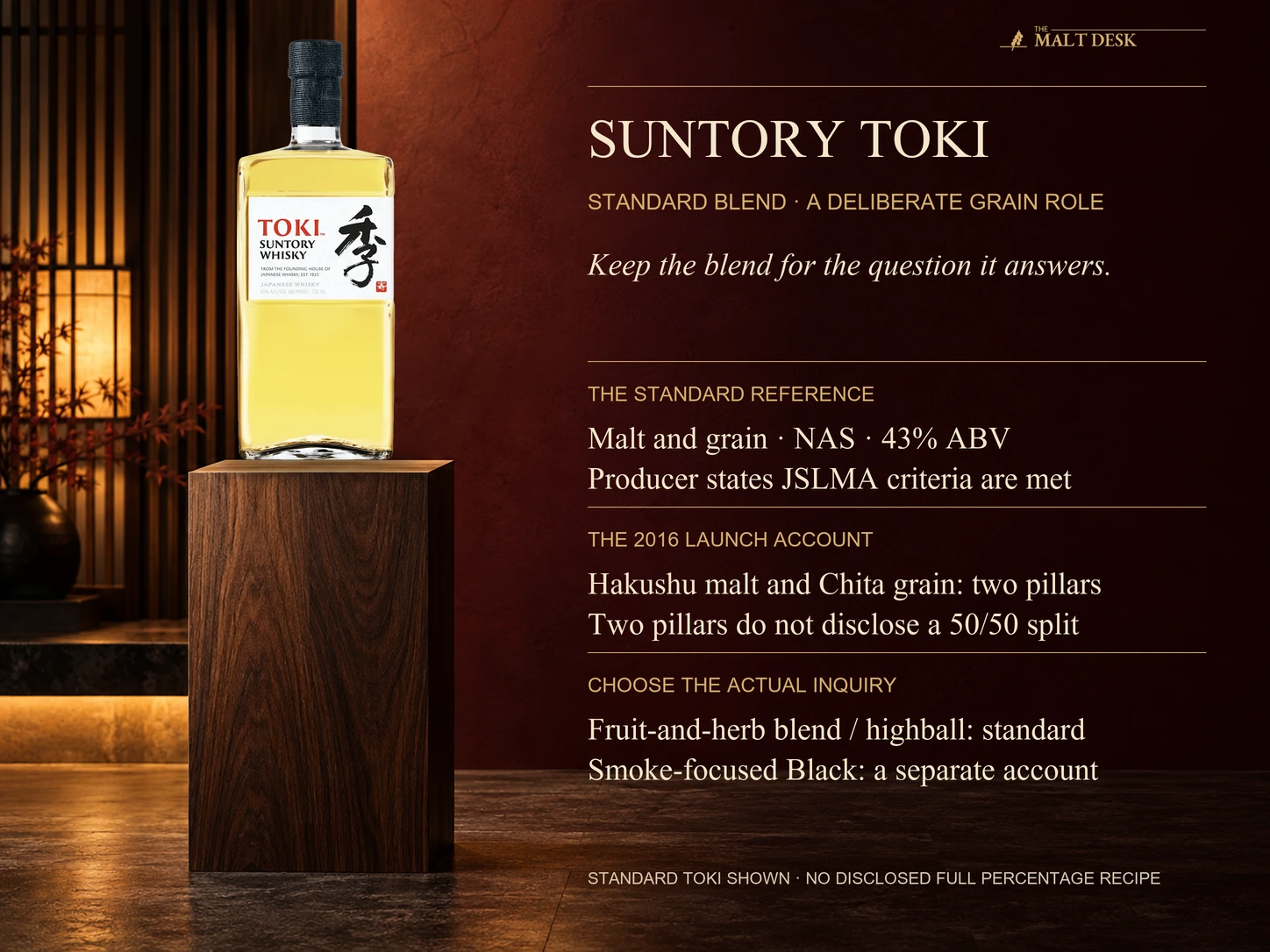
Understand Toki’s blending account and dated launch specification, keeping the actual market label separate from a local quote.
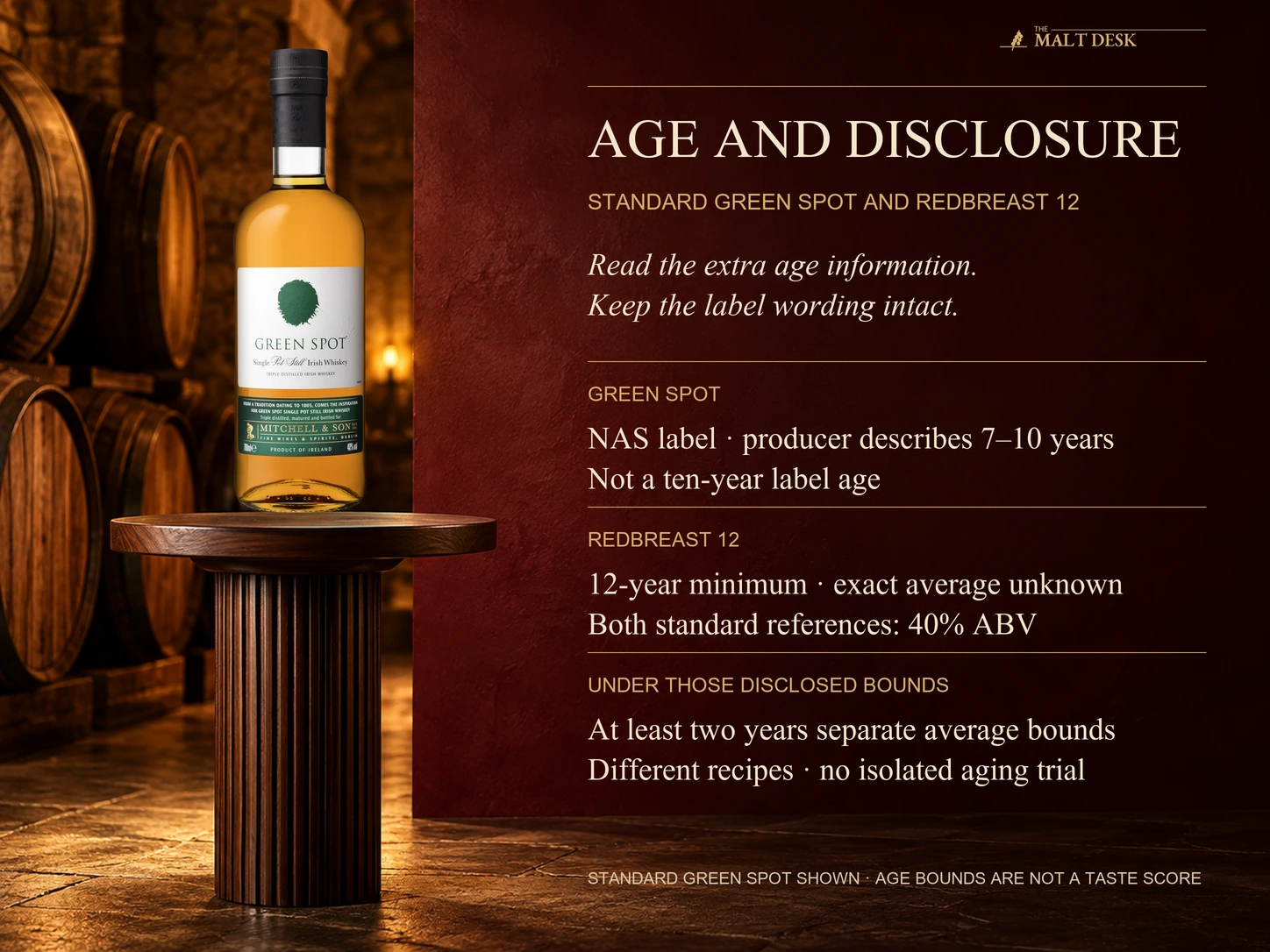
Compare Green Spot and Redbreast 12 by age disclosure, pot still production, cask information and the flavor profiles described by their producers.
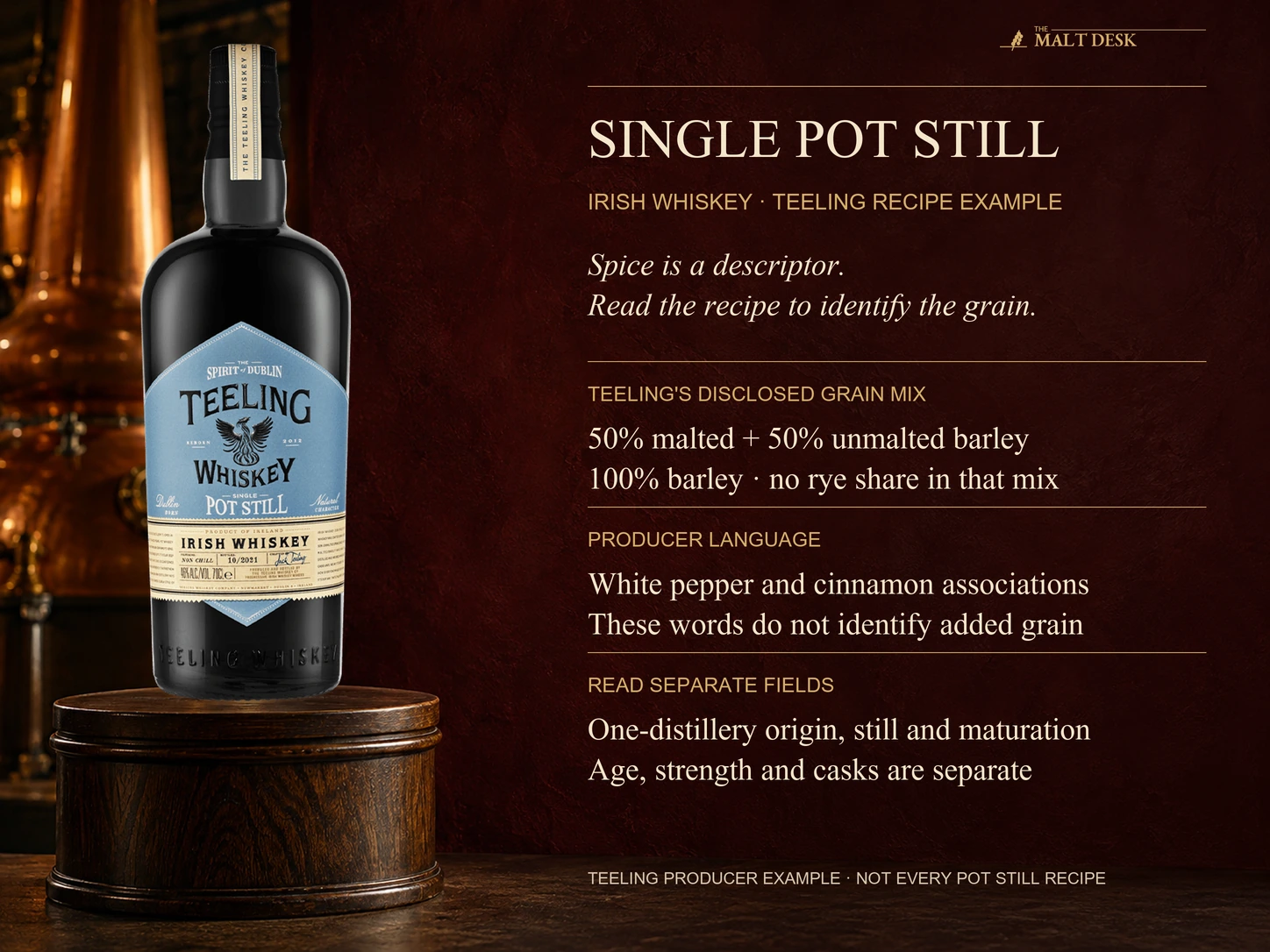
Understand the published Irish pot still grain limits, batch distillation and single-distillery meaning, keeping the 2026 consultation separate from requirements.
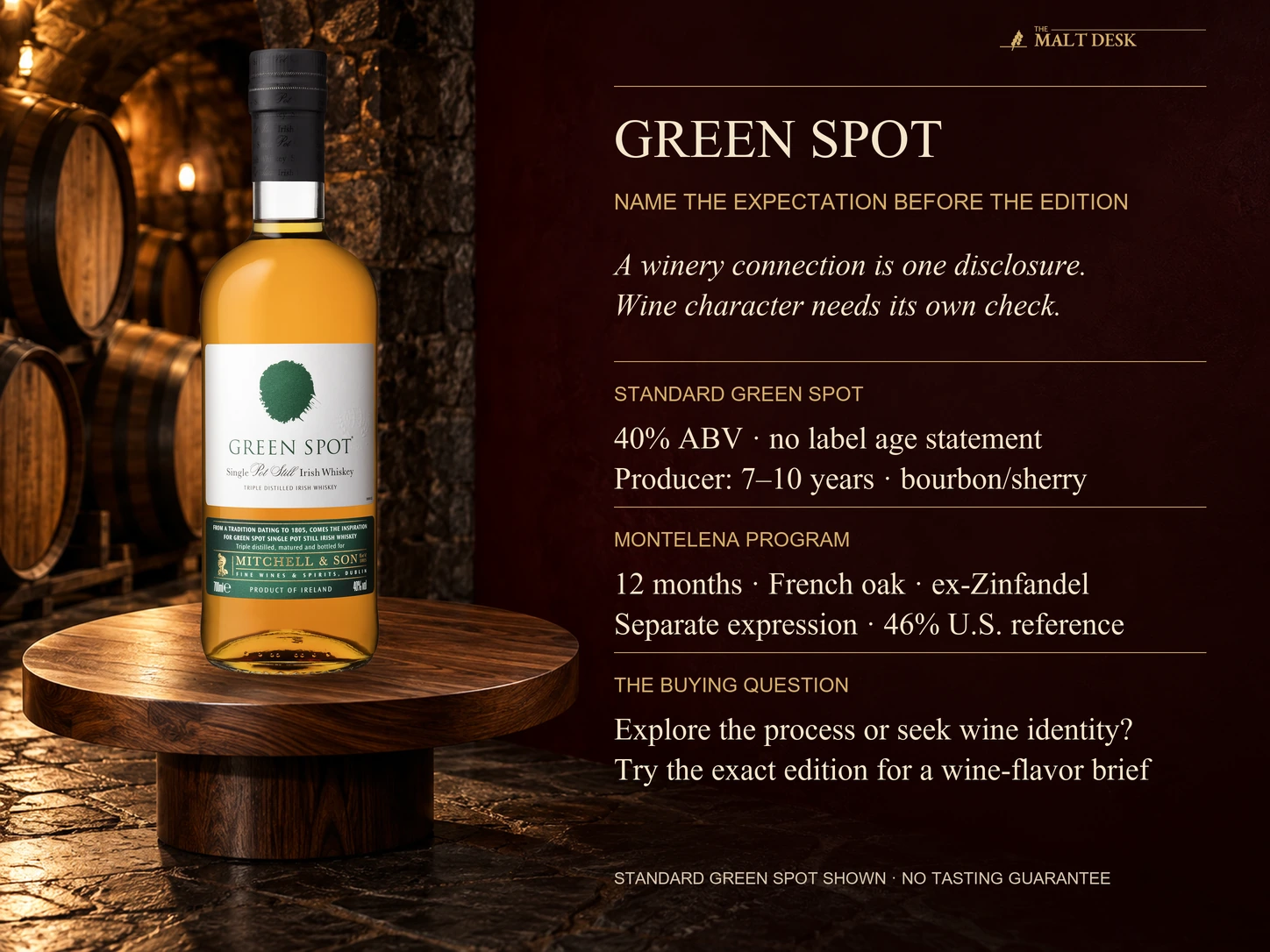
Decode Green Spot’s single pot still category, NAS label and producer 7–10-year account, then record an exact local quote.
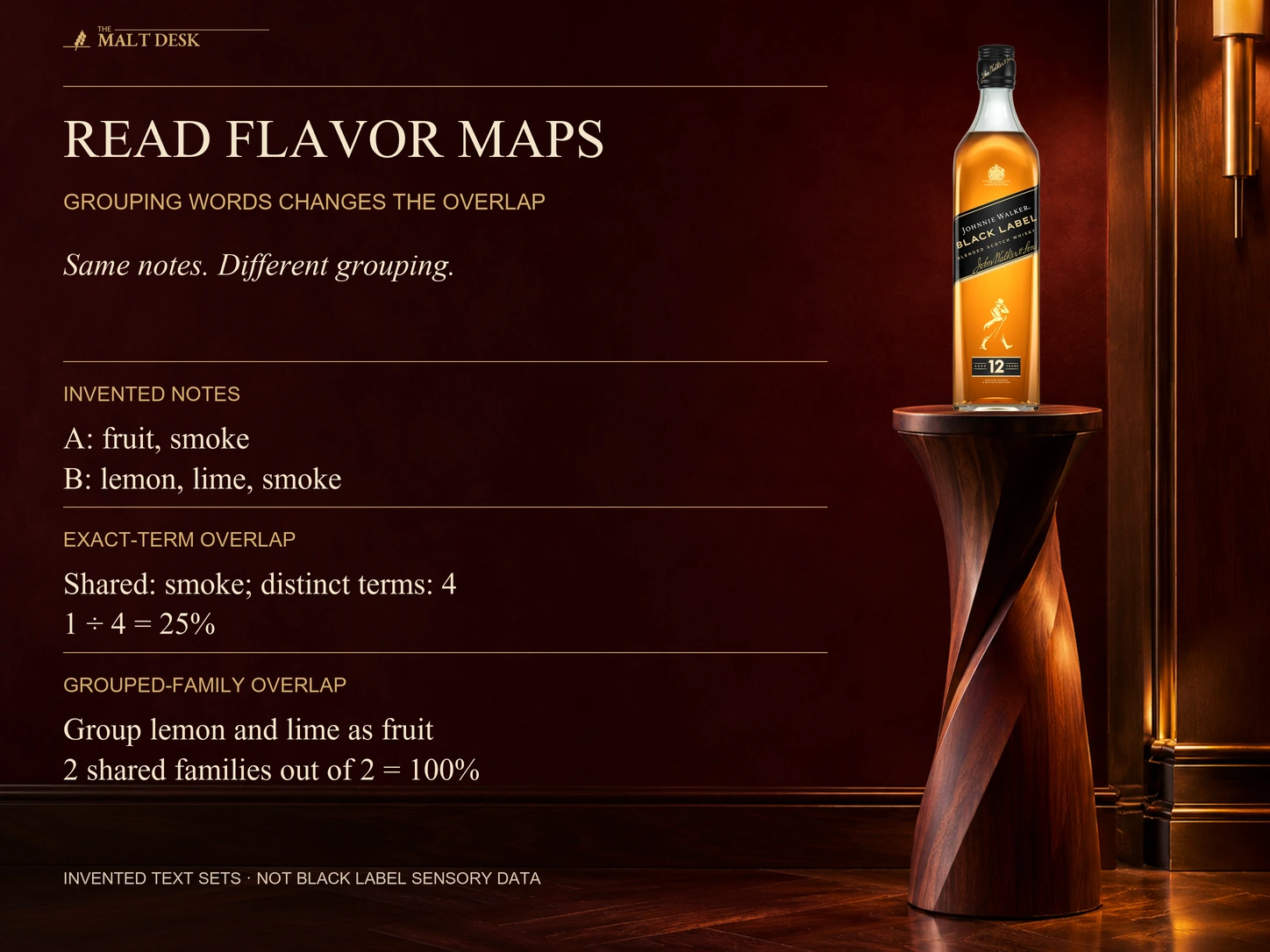
Learn how whiskey flavor maps and wheels organize aroma descriptions, how to read their axes, and why style positions are different from quality scores.
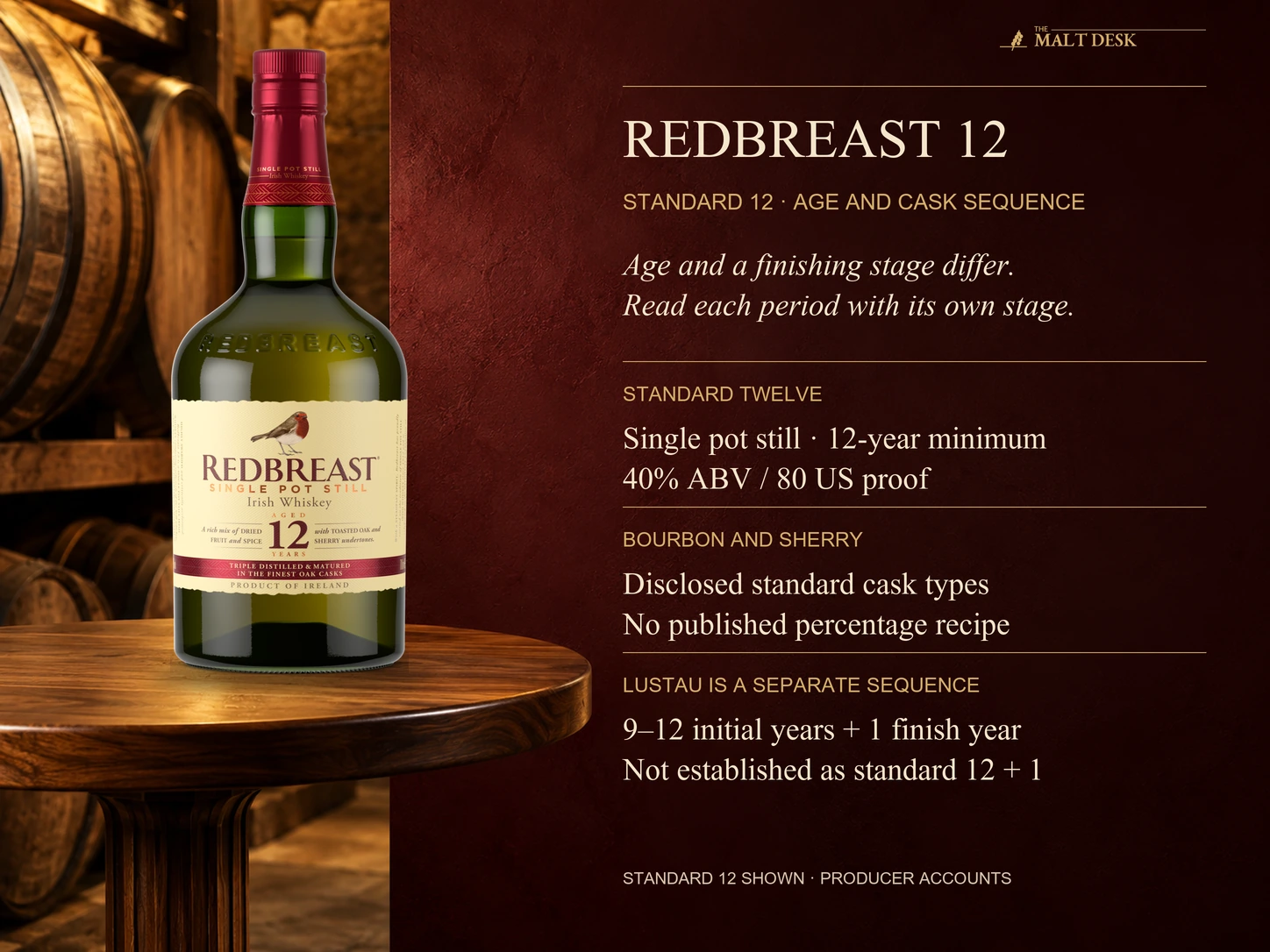
Redbreast 12 explained: Midleton production, the 12-year age statement, bourbon and sherry casks, producer tasting notes and the separate Cask Strength edition.
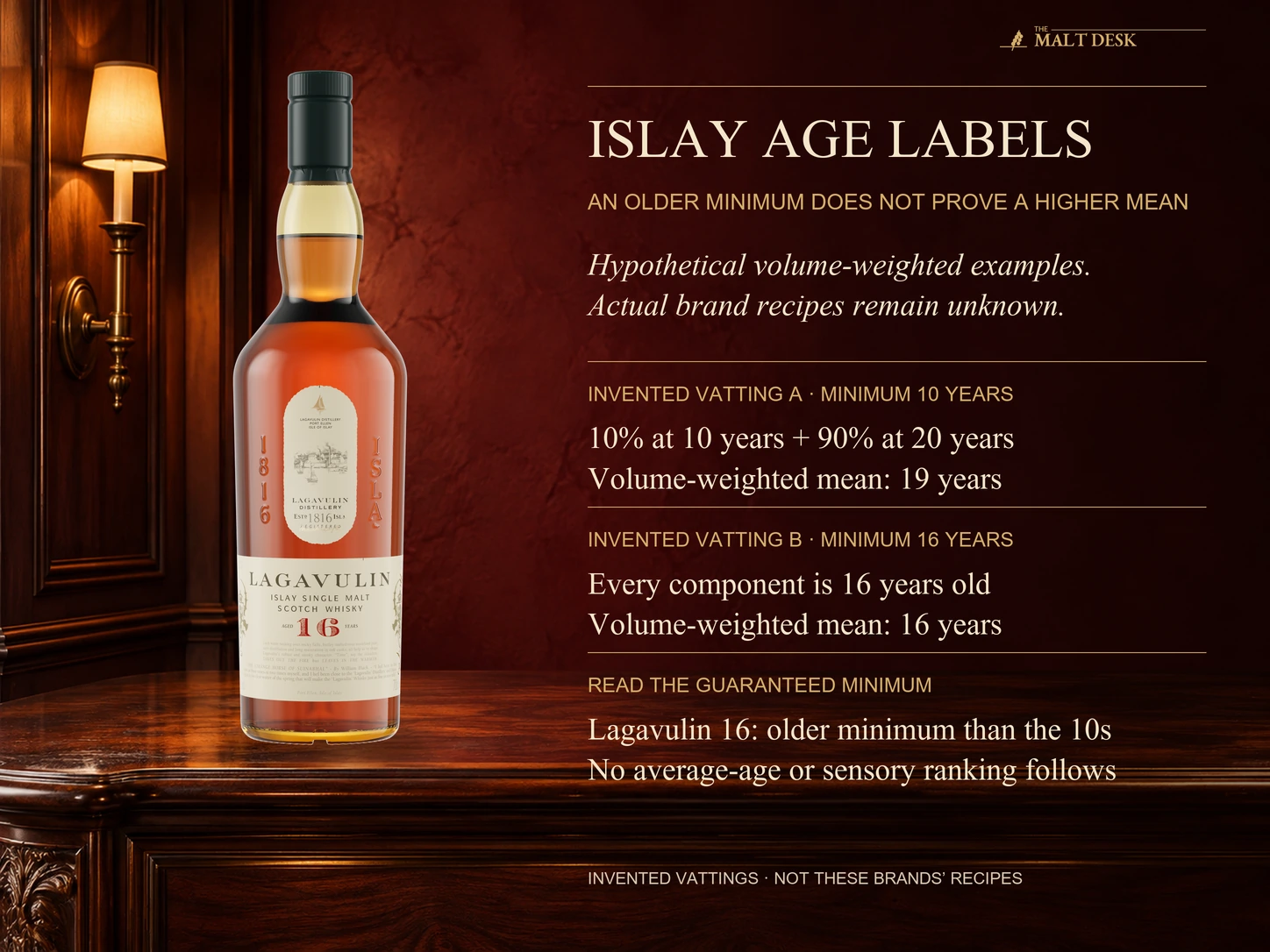
Compare three Islay single malts by age, bottling strength, cask disclosures and producer-described smoke profiles, with the limits of peat rankings explained.
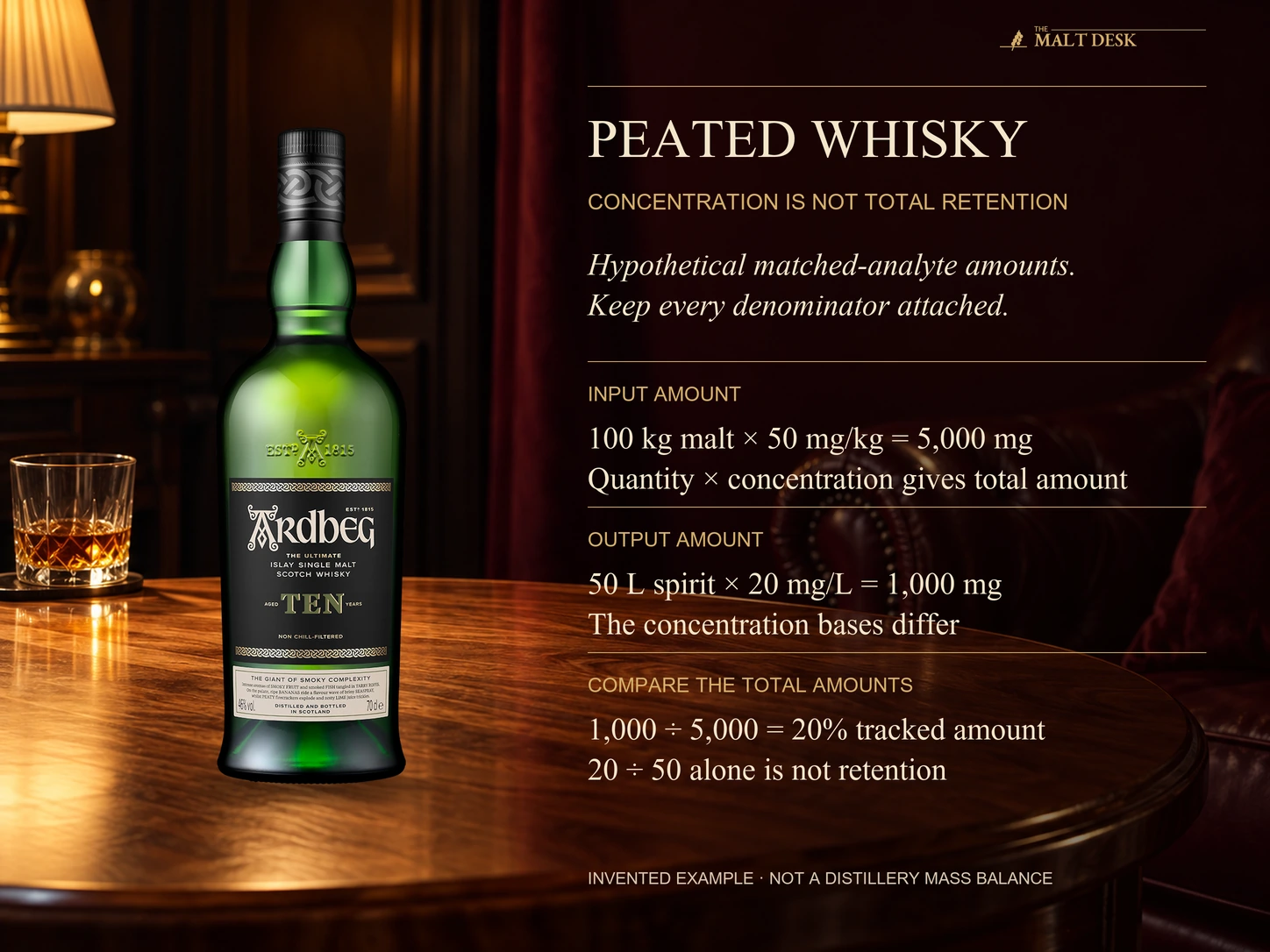
How peat smoke enters whisky during malt drying, what phenols and ppm describe, and why peat intensity, Islay origin and flavor preference are different questions.